
Krebs on Security In-depth security news and investigation
- Kimwolf Botnet Swamps Anonymity Network I2P
 by BrianKrebs on 11 February 2026 at 4:08 pm
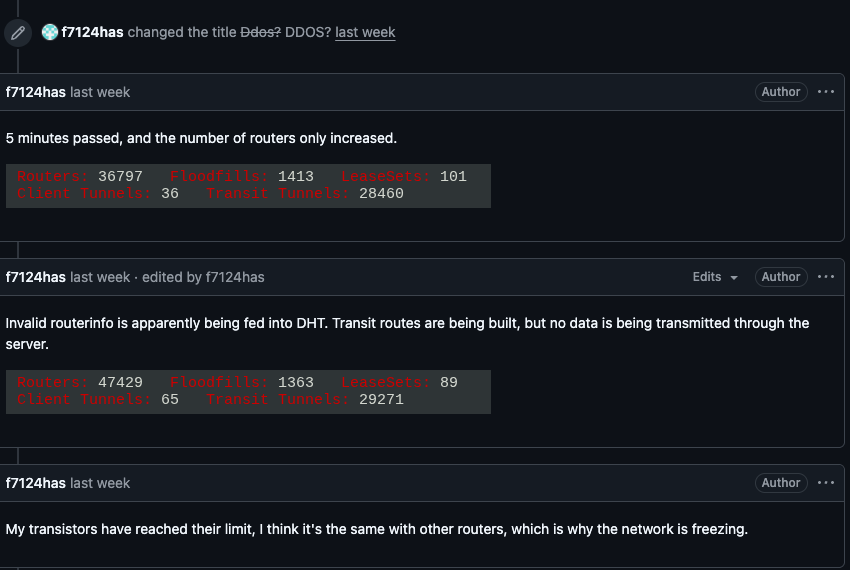
For the past week, the massive "Internet of Things" (IoT) botnet known as Kimwolf has been disrupting the The Invisible Internet Project (I2P), a decentralized, encrypted communications network designed to anonymize and secure online communications. I2P users started reporting disruptions in the network around the same time the Kimwolf botmasters began relying on it to evade takedown attempts against the botnet's control servers.
- Patch Tuesday, February 2026 Edition
 by BrianKrebs on 10 February 2026 at 9:49 pm
Microsoft today released updates to fix more than 50 security holes in its Windows operating systems and other software, including patches for a whopping six "zero-day" vulnerabilities that attackers are already exploiting in the wild.
- Please Don’t Feed the Scattered Lapsus ShinyHunters
 by BrianKrebs on 2 February 2026 at 4:15 pm
A prolific data ransom gang that calls itself Scattered Lapsus ShinyHunters (SLSH) has a distinctive playbook when it seeks to extort payment from victim firms: Harassing, threatening and even swatting executives and their families, all while notifying journalists and regulators… Read More »
- Who Operates the Badbox 2.0 Botnet?
 by BrianKrebs on 26 January 2026 at 4:11 pm
The cybercriminals in control of Kimwolf -- a disruptive botnet that has infected more than 2 million devices -- recently shared a screenshot indicating they'd compromised the control panel for Badbox 2.0, a vast China-based botnet powered by malicious software that comes pre-installed on many Android TV streaming boxes. Both the FBI and Google say they are hunting for the people behind Badbox 2.0, and thanks to bragging by the Kimwolf botmasters we may now have a much clearer idea about that.
- Kimwolf Botnet Lurking in Corporate, Govt. Networks
 by BrianKrebs on 20 January 2026 at 6:19 pm
A new Internet-of-Things botnet called Kimwolf has spread to more than 2 million devices, forcing infected systems to participate in massive distributed denial-of-service (DDoS) attacks and to relay other malicious and abusive Internet traffic. Kimwolf's ability to scan the local networks of compromised systems for other IoT devices to infect makes it a sobering threat to organizations, and new research reveals Kimwolf is surprisingly prevalent in government and corporate networks.